Wildlife Exclusion in Fort Worth
Removal empties the attic. Exclusion keeps it empty. If you only pay for one of those, pay for this one.
What exclusion means
Exclusion is the work of finding every way an animal can get into a building and closing it, permanently, with materials the animal cannot defeat.
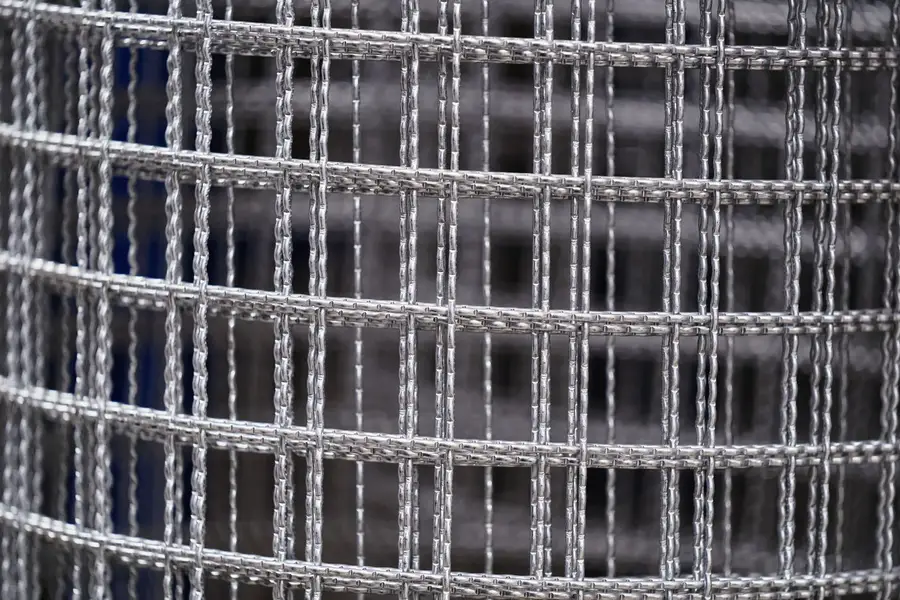
It is not caulk and expanding foam. A raccoon will pull foam out with its hands, a squirrel will chew through it in an afternoon, and a rat will treat it as a starting point. Proper exclusion uses steel mesh, hardware cloth, purpose-made vent covers, flashing, and structural repair where the timber has gone, fitted so the animal has nothing to grip, chew or lever.
It also means closing the gaps that are not yet in use. Every wildlife job we go to has the hole the animal used and, usually, two or three more that were a season away from being used.
Why this matters more in Texas than most people are told
There is a comfortable story about wildlife removal in which the animal is caught, driven somewhere green, and released to live out its days. It is not what Texas law provides for.
Raccoons, opossums and skunks are fur-bearing animals under Texas Parks and Wildlife rules. The department states that nuisance fur-bearers may be captured and relocated only where the person has received authorisation from the department and permission from the owner of the property where the release will occur, with a monthly report submitted covering the number and kind captured, the release location, and the name and address of the person authorised to release.
On top of that, a statewide rabies quarantine applies. Under it, Texas Parks and Wildlife states that it is a Class C misdemeanour to transport or sell live foxes, coyotes and raccoons from, to, or within this state. In its separate guidance on nongame animals the department also lists transporting or selling live coyotes as unlawful, citing the same quarantine.
Those are distinct provisions and we are not going to claim to resolve exactly how they combine in every case. What they do make clear is that trapping and relocating a raccoon is not a simple on-request service in Texas: one provision attaches conditions and reporting to relocation, and the other attaches a criminal penalty to moving the animal alive. If a company offers you that outcome as routine, it is reasonable to ask which authorisation it holds.
That is the argument for exclusion, and it is not a marketing angle. Where relocation is this constrained, the most reliable humane and permanent answer available is to make the building impossible to enter, so that nothing has to be caught in the first place and nothing has to be caught next year either.
Everything above is a plain-language summary of what Texas Parks and Wildlife publishes in its Outdoor Annual. It is not legal advice, and the department's own text is the place to check the detail.
Bats are the clearest case of all
Bat work is exclusion by definition, not trapping. The building is made one-way: everything not in use is sealed, one-way devices go on the active exits, the bats leave to feed and cannot return, and then the last openings are closed.
Texas Parks and Wildlife states that bats may not be hunted, killed, possessed, purchased or sold, but may be moved, trapped or killed if inside or on a building occupied by people. The department also states that excluding bats from buildings is discouraged from May 1 to August 15, when the young cannot fly and would be trapped inside. That date range dictates the schedule of every bat job we take. Full detail on bat removal.
Call (571) 412-0006 for an inspection of the building, not just the animal.
Contact UsWhere buildings actually fail
After enough attics you stop being surprised. The same dozen points account for almost everything.
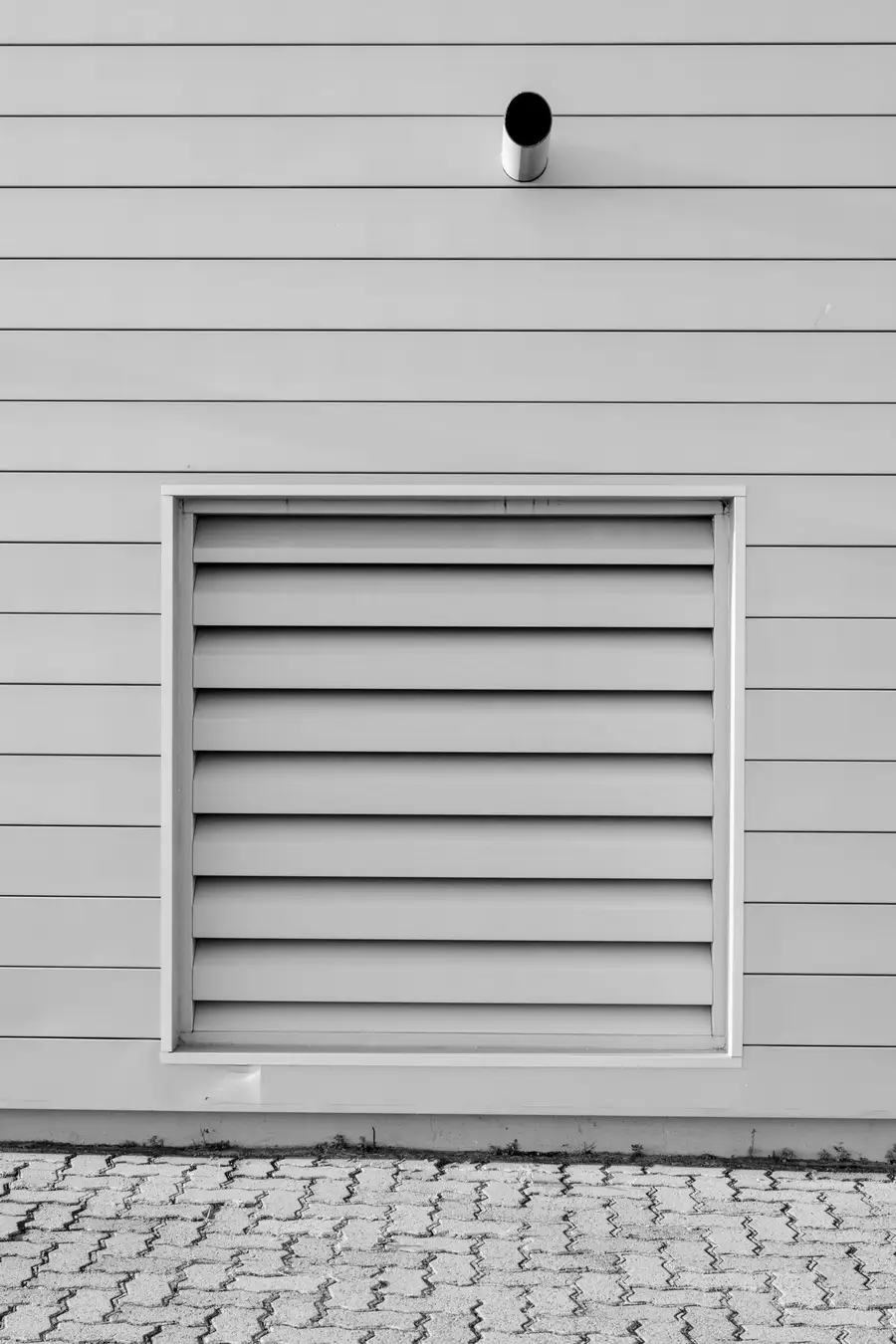
At the roof. Soffit and fascia separation where the roof meets the wall. Soffit returns, which are the small boxed corners at the end of a roof run and a classic squirrel entry. Ridge vents with failed screening. Turbine and box vents lifted or bent. Gable vents with a corner pushed or chewed open. Roof-to-wall junctions on split-level construction. Damaged shingle edges and drip edges.
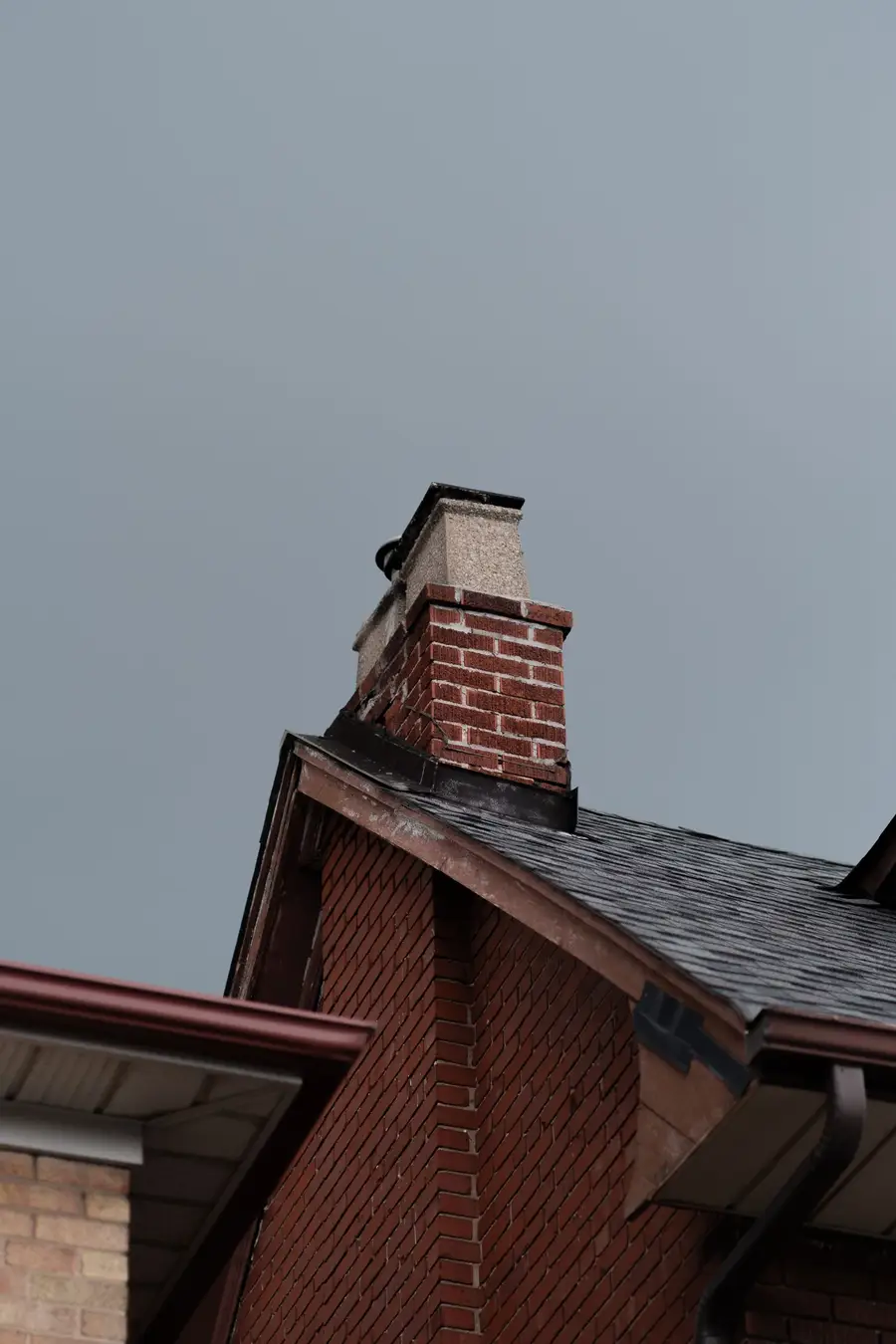
At the wall. Dryer and bathroom exhaust vents with missing or broken flaps. Utility and pipe penetrations. Weep holes in brick. Chimneys without a cap.
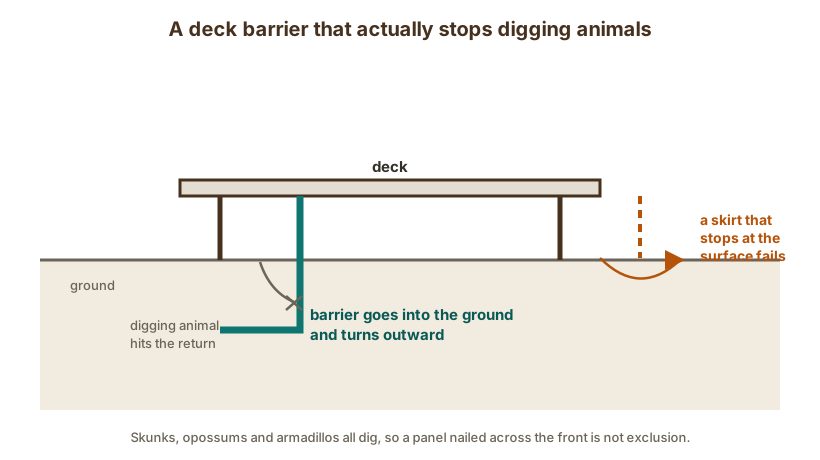
At the ground. Crawlspace vents with broken screening. Crawlspace access left open. Garage door bottom seals worn or lifted. Foundation gaps. The gap under a deck, a shed or a slab, which is where the digging species get in.
How we do it
Full inspection of the building envelope. Roofline, vents, penetrations, foundation and any under-structure space. We are looking for gaps in use and gaps about to be, and we do not stop at the first one.
Get the animals out first. Sealing an occupied space is how you create a dead-animal job. The sequence is not negotiable, and where young are present it changes again.
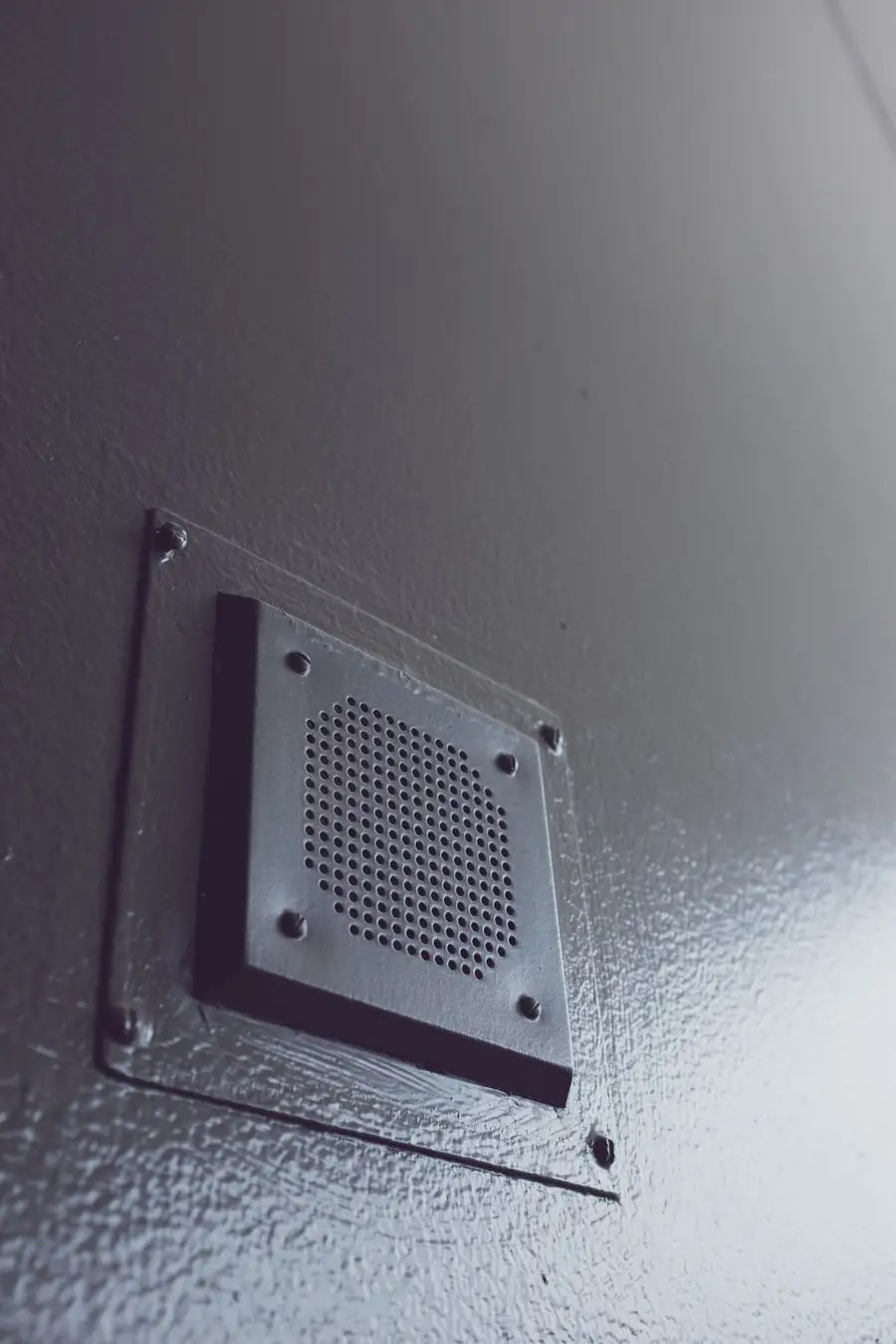
Seal with materials that match the animal. Steel mesh and hardware cloth where chewing is the threat. Structural repair where the wood has failed. Purpose-made covers at vents, with functioning flaps. Buried, outward-turned barriers where the animal digs.
Handle the under-structure work properly. A skirt across the front of a deck is not exclusion. A barrier going into the ground and turning outward is.
Repair the damage that came with it. Chewed timber, torn soffit, damaged vents, and the entry hole itself.
Then clean up, because sealed and contaminated is only half a job. See attic cleanup and restoration.
What exclusion costs
More than removal, and it is the part worth paying for. Cost tracks the number of entry points, the height and pitch of the roof, whether structural repair is needed, and the length of any ground-level barrier.
National cost guides bundle exclusion into general wildlife pricing rather than separating it: Angi and HomeAdvisor put common wildlife removal at $250 to $450 with an average near $300, HomeGuide puts attic-established work at $500 to $1,500 including sealing and cleanup, and Thumbtack's national spread runs $310 to $986. Substantial barrier or roofline work sits above those figures.
Cheap quotes in this trade almost always come from leaving the sealing out. It is worth asking anyone, including us, whether their number includes closing the building. See what wildlife removal costs.
Get the building looked at
Call (571) 412-0006. If you have already had an animal removed by someone else and it came back, that is exactly the call we would like to get, because it usually means the sealing never happened. Exclusion is the part of our wildlife removal in Fort Worth service that we would keep if we could only keep one.
Frequently Asked Questions
What is the difference between removal and exclusion?
Removal takes the animal out. Exclusion closes the building so nothing gets back in. Removal on its own leaves you with an empty attic and an open door.
Who provides humane wildlife removal?
Almost everyone claims to. The question worth asking is what they mean by it in Texas, where the department states that relocating a nuisance fur-bearer requires prior authorisation plus the release-site owner's permission and a monthly report, and separately that transporting a live raccoon within the state is a Class C misdemeanour under a rabies quarantine. Given those constraints, the humane answer we would argue for is sealing the building rather than catching animals repeatedly.
Can you just seal the hole while the animal is inside?
No, and nobody should. That is how an exclusion job becomes a dead-animal job. The animals come out first.
How long does exclusion last?
Materials matter more than time. Steel mesh, proper vent covers and structural repair are meant to outlast the reason you called. Foam and sealant are not, which is why we do not use them for this.
Do you guarantee nothing comes back?
We will not promise you an outcome we cannot control, and we would be sceptical of anyone who does. What we will do is show you every gap we closed and every one we found, and explain what is left on the building that would be worth watching.