How to Get Birds Out of an Attic
Chirping in the attic, fluttering behind a soffit, or scratching from inside a vent. Getting birds out is not difficult. Getting them out lawfully, at the right time, and so that they do not come back is the actual job, and the order matters.
First: is there an active nest?
This is the question that decides everything else, and it is a legal question before it is a practical one.
Texas Parks and Wildlife states that all indigenous birds, including raptors and songbirds, are protected by various state and federal laws and may not be killed, taken from the nest, picked up, or possessed for any reason. The department notes that a federal depredation permit may be issued where there is clear evidence of serious damage to commercial agricultural, horticultural or aquacultural interests, or a threat to public safety.
The practical consequence is simple. A nest with eggs or young in it is not pulled out of a vent or a soffit. Which protections apply depends on the species, so the bird is identified first, and where a nest is active the honest plan is usually to let it finish and to do the exclusion work immediately afterwards. That is a summary of published guidance and not legal advice; the department's own text is the place to check it.
So before anything else: listen. Chirping that gets louder when an adult bird arrives means young. Regular trips in and out of the same gap mean a nest. Silence for a few days, and material hanging from the opening, may mean the nest is finished.
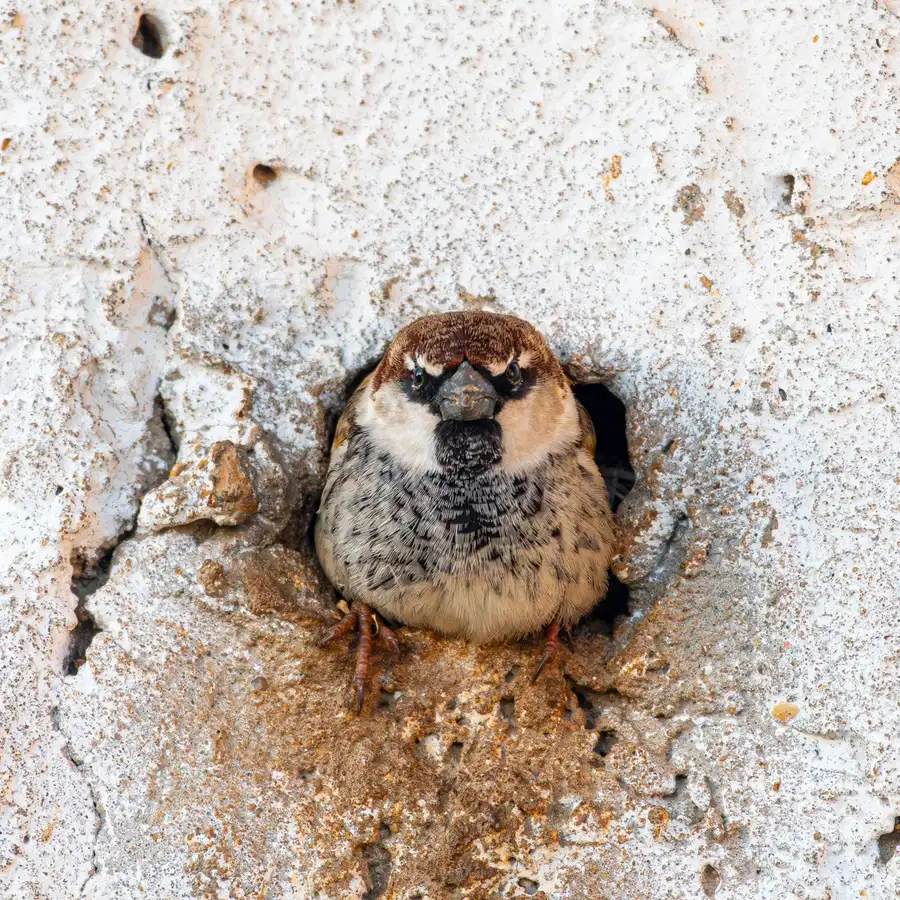
How birds get into an attic
Birds do not make holes. They use the ones the house already has, and in a Fort Worth house the list is short:
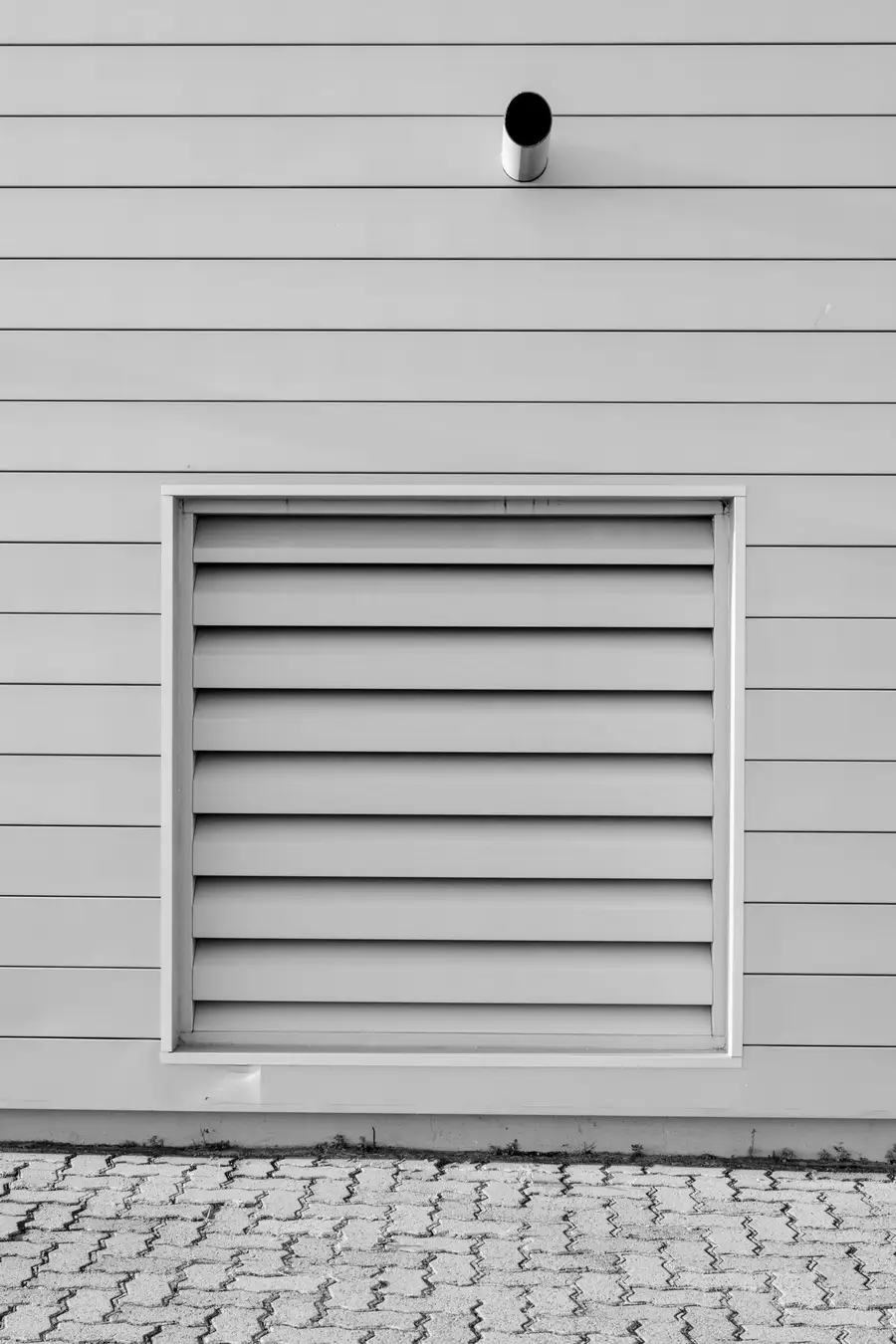
- A gable vent with a damaged screen. The most common route into the attic itself.
- A soffit return, the small boxed corner at the end of a roof run, where the panel has dropped.
- A gap where the soffit meets the fascia, opened by weather or by a squirrel before them.
- Dryer and bathroom exhaust vents with a missing or stuck flap. Strictly these are ducts rather than the attic, but they are the single most common bird call we get, and a nest in a dryer duct is a fire risk.
- A chimney without a cap.
Find the opening from outside by watching at first light: birds are day animals, and the trip in and out is easy to see.
Call (571) 412-0006 and say where the noise is coming from.
Contact UsGetting them out
If the nest is not active, or the birds are simply roosting in the attic without a nest, the method is the same one-way principle used for every animal on this site. The birds are given an exit they can use and cannot re-enter, the space is confirmed empty, and the opening is closed with a proper vent cover or screening rather than a stuffed rag.
If the nest is active, the birds are not removed. The timing is advised, the nest is left to finish, and the exclusion follows at once, because a cleared opening with no cover is a vacancy and it will be taken again within days.
Either way, the opening gets closed properly. New vent covers with working flaps, screening at gable vents, sealing at soffit and fascia gaps, a chimney cap. That is wildlife exclusion, and it is the part that makes this the last time.
Then the cleanup. Nest material, droppings and any insulation they sit in. Accumulated bird droppings are acidic, and in an enclosed space the material is handled with protection and proper disposal. Where a nest has been in a duct or a soffit cavity for a season, that work is on attic cleanup and restoration.
What not to do
Do not seal the opening while birds are inside. It traps them, and a dead bird in a wall or a duct is a worse problem than a live one.
Do not pull a nest with eggs or young in it. See the first section.
Do not handle a bird that is in the living space with bare hands. If one has come down through a vent into a room, open a window, close the interior doors, turn off the lights, and let it find the window. If it does not, a soft cloth over it and a slow lift is enough, and then straight outside.
Do not run the dryer if the noise is coming from the dryer duct. A nest in there restricts airflow and is a fire risk until it is cleared.
Who to call in Fort Worth
- Birds nesting in your vent, soffit or attic: us, on (571) 412-0006. Fort Worth's Animal Care & Control does not trap wildlife or provide traps, and the City's own guidance directs residents to search for animal rescue and removal services.
- Dead or sick wild birds, particularly where several are involved: the City refers these to Texas Parks and Wildlife on 512-389-4800.
- An injured bird you want helped rather than removed: Texas Parks and Wildlife publishes a list of licensed wildlife rehabilitators by county, including Tarrant County.
The whole free-versus-paid split for Fort Worth is on free wildlife help in Fort Worth.
What it costs
Bird work ranges widely, because a single dryer vent and a soffit that runs the length of the house are not the same job. The drivers are the number of openings, height and access, whether cleanup is needed, and whether the fix is one vent cover or a run of screening.
National cost guides give general wildlife removal at $250 to $450 with an average near $300 (Angi, March 2026; HomeAdvisor, June 2026), with Thumbtack's wider national spread at $310 to $986. A single vent sits below that; multi-opening exclusion with cleanup sits above it. We quote after looking. The full picture is on what wildlife removal costs.
Get the opening looked at
Call (571) 412-0006. Tell us where the sound is, whether you can hear young, and whether you have seen the birds going in and out. If you would rather write it down, the contact form works too. The service itself, from identification to exclusion, is described on bird removal and control in Fort Worth.
Frequently Asked Questions
How do I get birds out of my attic?
Find the opening, work out whether the nest is active, and then either give the birds a one-way exit and close the opening, or, if there are eggs or young, wait for the nest to finish and close the opening immediately afterwards. Texas Parks and Wildlife states that indigenous birds may not be killed, taken from the nest, picked up or possessed, which is why the order matters.
Who do I call to remove birds from an attic in Fort Worth?
A wildlife company. The City of Fort Worth does not trap wildlife or provide traps. Call (571) 412-0006.
Can I remove a bird nest from my dryer vent myself?
Not while it is active. If it is finished and empty, the material can be cleared, but the vent needs a working flap or cover fitted straight away or the next nest arrives within days. Do not run the dryer until the duct is clear.
How much does it cost to get birds out of an attic?
National guides put general wildlife removal at roughly $250 to $450, with a wider spread reported up to $986. A single vent sits below that and a multi-opening exclusion with cleanup sits above it. We quote after looking.
Will birds leave the attic on their own?
Once a nest is finished, often yes, and then they come back next season to the same opening. The birds leaving is not the fix; the opening being closed is.