Rodent Control in Fort Worth: Rats and Mice
Rats and mice get into Fort Worth houses the same way raccoons and squirrels do, through gaps in the building, and they leave the same way: the building gets sealed. The difference is that rodents are smaller, quieter and breed faster, so the job is finding every gap, not just the one in use.
Roof rats, Norway rats and house mice: which one you have
Texas A&M AgriLife Extension names three house rodents, and they behave differently enough that knowing which one you have changes where we look.
Roof rats are the attic rat. AgriLife's guidance states that the roof rat seldom burrows and normally nests in double walls and attics, and gives a rule worth remembering: if the nest is high, it is usually a roof rat. They climb well, which is why a roof rat problem usually starts at the roofline and why the noise is overhead or inside a wall. The tail is longer than the body.
Norway rats are the ground rat. AgriLife states that they burrow under foundations, floors, stacks of goods and rubbish, and that a nest underground is almost always a Norway rat. Heavier, with a tail shorter than the body. A Norway rat problem usually starts at ground level: a garage, a crawlspace, a gap at the slab.
House mice are small, and AgriLife describes their neater nests turning up almost anywhere, including inside furniture and cabinet drawers. They need very little to get in.
AgriLife also notes that both rat species are rarely found in the same structure, so once we have identified which one you have, the plan is usually clear. If you are not sure whether the noise is a rodent at all, what animal is in my attic at night works through it by time of day, and rats in the attic covers the rat case in detail.
Signs you have rodents rather than something bigger
AgriLife's list of infestation signs is the one we work from: droppings, tracks in dusty places, gnawing, greasy smears where bodies have rubbed along walls and rafters, worn runways, and a smell that is strongest in poorly ventilated rooms. Its guidance also states that rodent activity increases after dark, which is the best time to listen for them.
In practice: scattered small droppings along walls and behind appliances, a dark rub mark along a joist or a pipe, chewed corners on packaging in the pantry or garage, scratching or running inside a wall at night, and a musky smell in a cupboard or attic hatch. A raccoon sounds like a person up there. A rodent sounds like something light moving fast, and it rarely stops at one room.
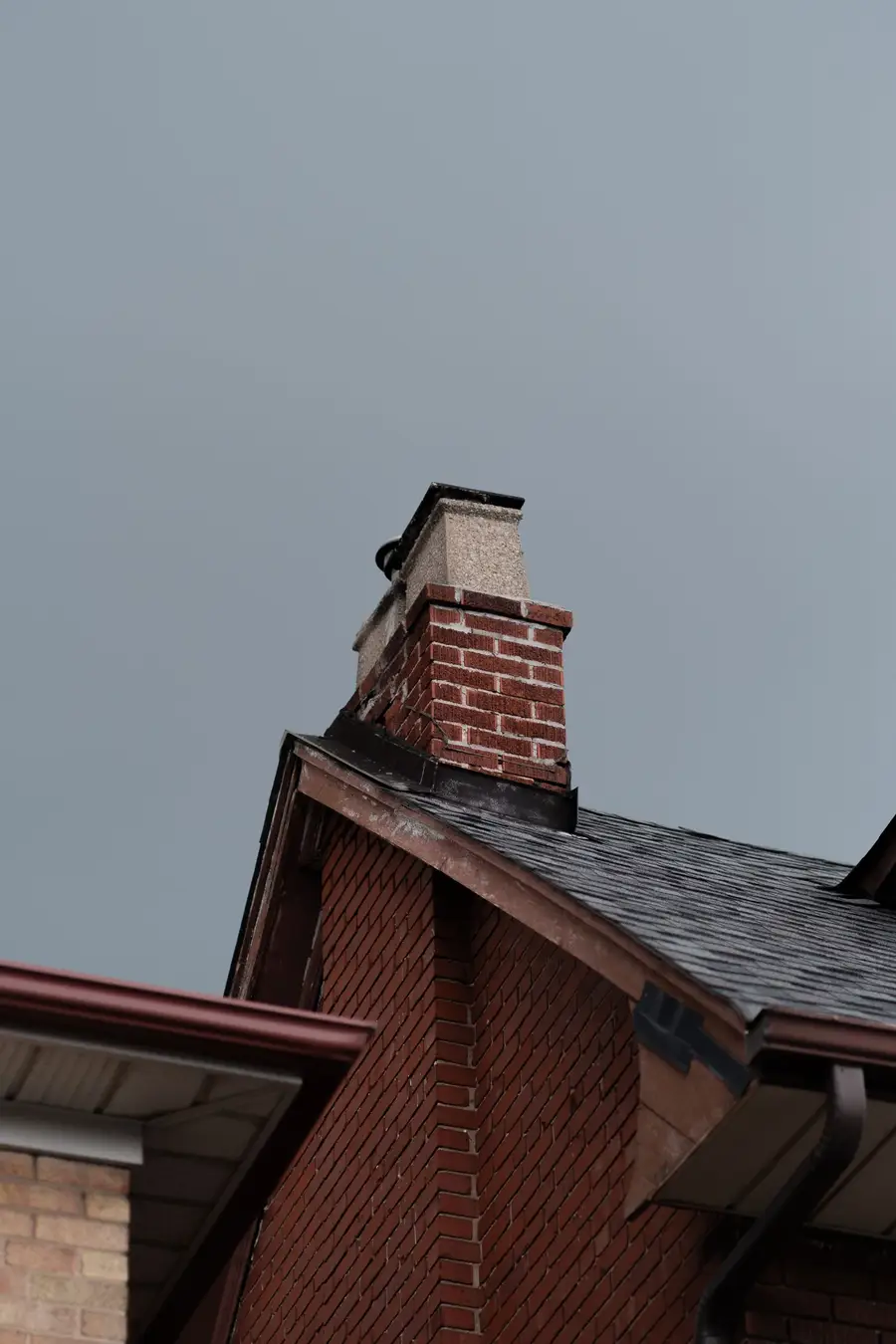
How rats and mice get into Fort Worth houses
The building-failure list on wildlife exclusion in Fort Worth applies here, with the gaps scaled down. AgriLife recommends covering every opening a rodent can enter with rat-resistant material such as quarter-inch hardware cloth, which tells you the size of gap that matters.
At the roof: soffit returns, the boxed corners at the end of a roof run; gaps where the fascia has pulled away; ridge and gable vents with damaged screening; the point where an addition's roof meets the original wall. Roof rats climb brick, siding, trees and utility lines to get there.
At the wall: the opening around the air-conditioning line set where it enters the house, which is one of the most common we find; dryer and bathroom vents with broken flaps; gaps around pipes and cables; weep holes in brick, which are there on purpose and have to be screened rather than filled.
At the ground: garage door seals worn at the corners; crawlspace vents and access doors; gaps at the slab edge and under exterior doors; the space under a deck or a shed. This is Norway rat and house mouse territory.
Every job we go to has the gap in use and usually two or three more a season away from being used. Sealing only the first one is how a house gets a second infestation.
Call (571) 412-0006. Say where you are hearing or seeing them, and whether anyone has already put poison down.
Contact UsRat exterminator, rat removal, rodent control: what people search for and what the job actually is
People search for a rat exterminator, rat removal, rodent control, a mice exterminator, or just rats in the attic, and they mean the same thing: make them gone and keep them gone. The words hide a real choice, though.
An extermination-only approach kills what is in the house now. A control approach finds how they are getting in, closes it, removes what is inside, and confirms nothing new is arriving. The second is what we do, because a house that is sealed does not need the first approach again next season. If the word you were looking for is exterminator, you are in the right place; the job just has a sealing step in the middle of it.
How we handle it
Inspect the whole envelope. Roofline, vents, the A/C line penetration, the garage, the crawlspace, the slab edge, and the attic itself, looking for droppings, smears and runways so we know which species, how many, and where they travel.
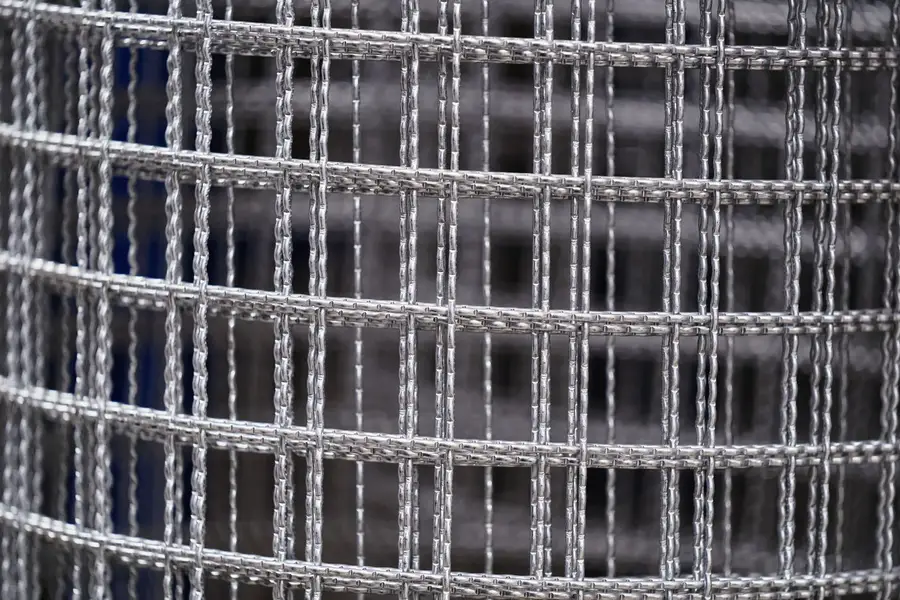
Seal first, with materials rodents cannot chew. Hardware cloth, steel mesh, sheet metal and mortar at the points that matter. AgriLife describes rat-proofing as the most permanent means of control wherever it can be done at reasonable cost, and it is where most of the work on a rodent job goes.
Trap along the runways. Traps set where the sign is, across the routes rodents already use, checked and cleared. AgriLife's guidance is that traps are as effective as poison bait and are the recommended method where bait is inadvisable, which in an occupied house with pets, children or an attic above the bedrooms is most of the time.
Verify. A sealed house with cleared traps and no fresh droppings is a finished job. If sign keeps appearing, there is a gap we have not found, and we go back to the inspection.
Then clean up. Droppings, urine-soaked insulation and nesting material do not leave with the rodents. See attic cleanup and restoration in Fort Worth.
On poison, plainly: we do not treat bait as the method, and the reason is practical rather than philosophical. AgriLife states that rats and mice begin dying three to ten days after feeding on anticoagulant baits, and HomeGuide's cost guide notes that poisoned rats typically die in hard-to-find locations. A rat that eats bait in your attic and dies in your wall has turned a rodent job into a dead animal in the wall job. If someone has already put bait down before we arrive, tell us, because it changes where we look.
Rodent proofing: the part that ends it
Rodent proofing is exclusion at rodent scale. The materials are the same ones on the exclusion page, hardware cloth and steel mesh rather than foam or caulk, but the gaps are smaller and there are more of them. A quarter-inch opening is worth closing. The weep holes in a brick wall are screened with purpose-made inserts, never blocked, because they are part of how the wall drains. The A/C line set gets a proper seal, not a handful of foam. Garage door corners get new seals or a metal guard where the old ones have been chewed.
It is the part of the job most often left out of a cheap quote, and the part that decides whether you are calling anyone next year. The wider argument for sealing a building rather than catching animals repeatedly is on wildlife exclusion.
Droppings, urine and insulation: the cleanup
The CDC's guidance on cleaning up after rodents is specific, and it is the reason this is not a job for a shop vacuum. The CDC states that rodent-borne diseases are mainly spread to people when they breathe in contaminated air, and that rodent urine, droppings and nesting materials should not be vacuumed or swept. Its method is gloves, a disinfectant or a bleach solution applied until the material is wet and left to soak, then wiping and bagging. For insulation contaminated with urine and droppings, the CDC's instruction is to bag it for removal. Where rodents have got into heating and cooling ducts, the CDC directs people to a professional service.
That is the standard we clean to. What is contaminated is removed and bagged, surfaces are treated, and insulation that has been nested in or soaked is replaced rather than cleaned around. If anyone in the household is unwell and rodents are a possible reason, the CDC's advice is to tell a healthcare provider about the exposure, and that is a question for them, not for us.
Where the law sits, briefly
The Texas Parks and Wildlife provisions this site cites for raccoons, bats and squirrels are about native wildlife. Roof rats, Norway rats and house mice are not: Texas A&M AgriLife Extension describes them as aliens that are well established, and its guidance treats trapping and rat-proofing as routine household control. None of the relocation, quarantine or seasonal provisions quoted elsewhere on this site name these three species. This paragraph is a summary of published guidance and is not legal advice.
The City of Fort Worth's own guidance states that Animal Care & Control no longer picks up or provides traps for wildlife, and it names rats in that list. Rodent work in Fort Worth is a paid job. The rest of the free-and-paid split is on free wildlife help in Fort Worth.
What rodent control costs
Published national ranges, not a Fort Worth quote, and not our prices.
| Published figure | Source |
|---|---|
| $150 to $600 to exterminate rats, national average $375 | HomeGuide, September 2025 |
| $90 to $150 for an inspection and call-out | HomeGuide, September 2025 |
| $200 to $500 for a small rat infestation (sealing one entrance); $500 to $1,500 for a medium one (several visits, multiple entry points); $1,500 to $8,000 for a large one including trapping, sealing the building and cleanup | HomeGuide, September 2025 |
| $150 to $550 to exterminate mice, national average $350; $75 to $125 for a mice inspection | HomeGuide, September 2025 |
| $300 to $1,500 or more for drywall repair after rats inside a wall; $2 to $6 per square foot to replace attic insulation | HomeGuide, September 2025 |
Two things move the price on a rodent job more than anything else: how many entry points the building has, and whether the attic insulation has to come out. A single mouse at a garage door corner and a roof rat colony that has been in the attic all winter are not the same job. We give a real number after the inspection. See what rodent control costs alongside every other job.
Get it looked at
Call (571) 412-0006. Tell us where you are hearing or seeing them, what time of day, whether it is overhead, in a wall or at ground level, and whether anyone has already put poison down. The contact form reaches us the same way. Rodent control is part of our wildlife removal in Fort Worth service, and it is handled the same way as the rest of it: find the way in, close it, get them out, clean up.
Frequently Asked Questions
How much does it usually cost to get rid of rats?
HomeGuide's September 2025 guide puts rat extermination at $150 to $600 with a national average of $375, an inspection at $90 to $150, and a large infestation that needs the building sealed and the attic cleaned at $1,500 to $8,000. Entry points and insulation are what move a Fort Worth job within that range. We quote after inspecting.
Will an exterminator get rid of rats?
Killing the rats that are in the house now is the easy half. Unless the building is sealed, more arrive through the same gaps, which is why our method is inspect, seal, trap and verify rather than bait alone.
What repels rats immediately?
Nothing we would put our name to. Repellents, sound devices and scents do not close a quarter-inch gap, and a rat that is already nesting in your attic has no reason to leave. Sealing the entry points and trapping what is inside is what works.
Does Fort Worth animal control remove rats?
No. The City's guidance states that Animal Care & Control no longer picks up or provides traps for wildlife, and rats are named in that list. It is a paid job, either us or another company.
Rats or mice: does it matter which?
It changes where we look. Roof rats nest high, in attics and double walls; Norway rats burrow low, under slabs and floors; mice get into almost anything. Texas A&M AgriLife Extension's rule is that a high nest is usually a roof rat and an underground one is almost always a Norway rat.
Do you use poison?
Not as the method. Bait kills rats three to ten days after they eat it, according to AgriLife, and HomeGuide notes that poisoned rats typically die in hard-to-find places, which in a house means inside a wall. Sealing and trapping avoid that. If bait has already been used, tell us.