Snake Removal in Fort Worth
A snake in the garage, under the deck, or in the middle of the yard. Most are harmless, none of them feel harmless at the time, and you do not have to be the one who decides which is which.
What to do right now
Keep your distance and keep it in sight. Most snake calls end badly for the homeowner in one of two ways: someone tries to move it, or everyone leaves the room and it is gone when help arrives. Watching from across the room or from a doorway solves the second problem without creating the first.
Do not try to identify it up close. Identification by markings is genuinely difficult, plenty of harmless species look alarming, and the distance required to look properly is the distance that puts you at risk.
Do not try to kill it. It is the most common way people get bitten, it is unnecessary, and depending on the species it may not be lawful.
Close the interior doors if it is inside, so the search area stays small.
Move pets and children out of the area, calmly.
Then call. Tell us where it is, roughly how long it is, and whether it is still in view.
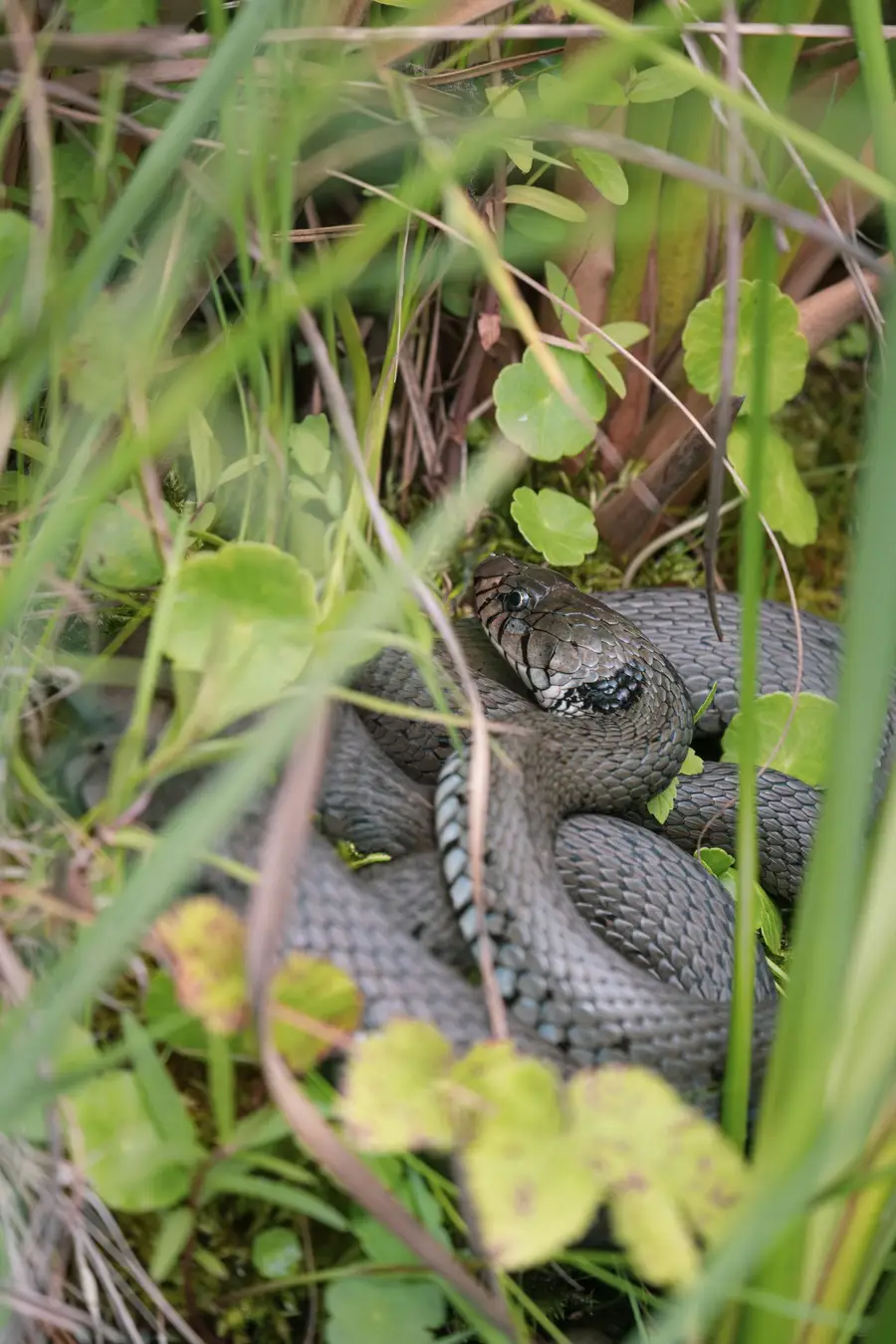
Who do you call to get rid of snakes in Fort Worth?
Three honest answers, because this is the one wildlife problem with a free option attached to it.
Not the City. Fort Worth's Animal Care & Control does not pick up wildlife or provide traps, and its published guidance names snakes specifically among the animals it no longer handles. Calling animal control for a snake in Fort Worth gets you a referral to search for a removal service.
Sometimes a volunteer. Volunteer snake removers do operate in North Texas, and some do not charge. If one is available and it suits your situation, take it. What a volunteer generally does not do is find the gap under the garage door or the woodpile against the wall that brought the snake in, which is why the same yard produces the same call again.
Otherwise, a wildlife company. That is us, on (571) 412-0006. We remove the snake, search where a search is warranted, and close the way in.
The full free-versus-paid split for Fort Worth is on free wildlife help in Fort Worth.
Call (571) 412-0006. If you can see it from a safe distance, keep it in sight.
Contact UsWhy they turn up
Snakes come for cover and for food, and Fort Worth yards supply both.
Cover means anything that gives a shaded, protected space at ground level: woodpiles, stacked materials, dense low planting against a wall, sheds sitting flat on soil, gaps under decking, tall grass at a fence line, and rock or landscape features with voids under them.
Food means rodents. A yard with a rodent population is a yard with a reason for snakes to visit, and that is the connection people most often miss. If we find one, we look for the other.
Water helps too, which is why irrigation, pool surrounds and low damp corners come up so often.
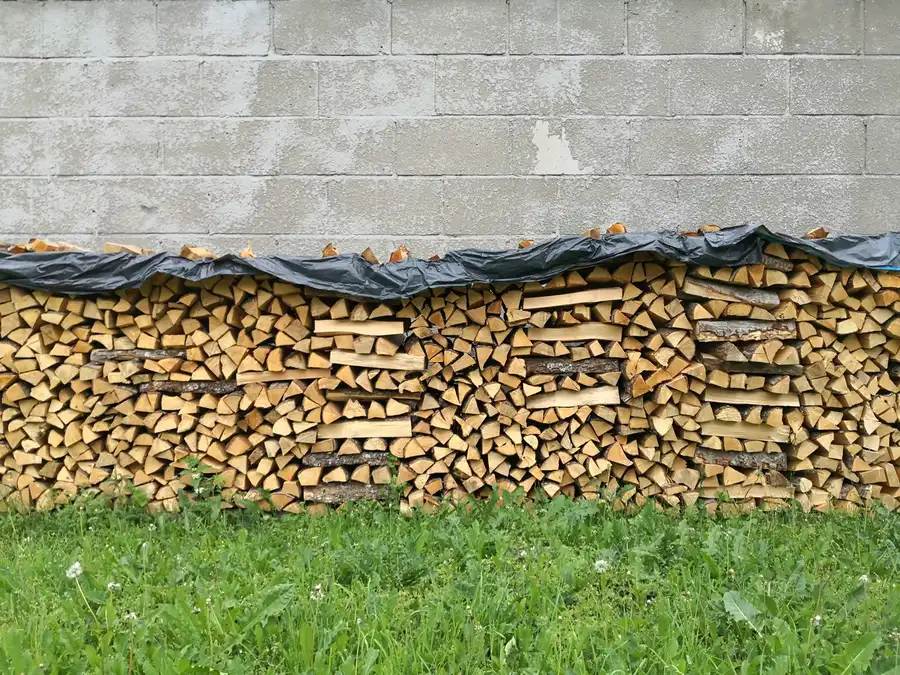
How they get inside
Almost always at ground level and almost always through a gap that was already there.
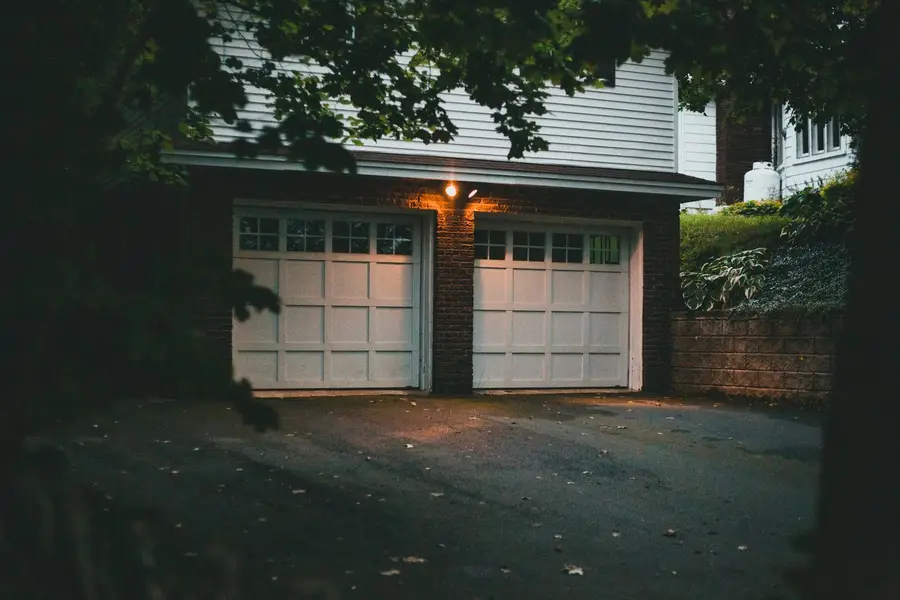
Garage doors with a worn or lifted bottom seal are the single most common route. After that: gaps where pipework or conduit enters a wall, weep holes in brick, foundation vents with damaged screening, crawlspace access left open, and door thresholds that no longer sit flat.
Snakes are not chewing their way in. They are using an opening you can close, which is why the sealing work is the part that actually changes anything. See wildlife exclusion.
What we do
Remove the snake. Safely, with the right equipment, without turning it into a longer event than it needs to be.
Search where it is warranted. If one has been in a garage or crawlspace, we look for others and for what attracted them.
Find the way in. Ground-level gaps, seals, weep holes, thresholds, and crawlspace access.
Seal and advise. Sealing what should be sealed, plus a plain list of the yard conditions that make a property attractive: the woodpile against the wall, the low dense planting, the gap under the shed.
The Texas legal position, briefly
Snake law in Texas is species-dependent and more nuanced than most homeowners expect. Some snakes are handled under the nongame rules, where a hunting licence is required and there are no closed seasons or bag limits, and where they may be taken at any time by lawful means on private property. Others, including several rare species, carry protections, and Texas Parks and Wildlife restricts collecting, selling or exchanging certain nongame species without the proper permit.
We are not going to publish a species-by-species legal table on a service page, because getting it slightly wrong would be worse than not writing it. What we will do is identify what you have and tell you accurately what applies to it before anything happens. The above is a summary of published guidance and not legal advice; Texas Parks and Wildlife's Outdoor Annual is where these rules are set out and the place to check them.
What snake removal costs
Usually one of the more contained jobs we do, unless the sealing work turns out to be substantial.
Cost drivers: whether the snake is still present and accessible, whether a search of a crawlspace or garage is needed, and how much ground-level sealing follows.
National guides for general wildlife work give $250 to $450 with an average near $300 (Angi, March 2026; HomeAdvisor, June 2026). Single-animal removal with no sealing typically sits below that. See what wildlife removal costs.
One honest note: snake removal is also the service most likely to have a free option attached to it locally, since volunteer removers do operate in North Texas. If that suits your situation better, take it. More on free wildlife help in Fort Worth.
Get it dealt with
Call (571) 412-0006. If it is still in view, say so, because that changes how quickly the job goes. Snakes are one part of our wildlife removal in Fort Worth service.
Frequently Asked Questions
Who do you call to get rid of snakes in your yard or house?
A wildlife company, or a volunteer remover where one is available. Fort Worth's Animal Care & Control does not pick up wildlife or provide traps, and its guidance specifically lists snakes among the animals it no longer handles. Call (571) 412-0006.
Should I call animal control for a snake?
Not in Fort Worth. The City's published guidance names snakes among the wildlife its Animal Care & Control no longer handles, and directs residents to search for animal rescue and removal services instead.
Does it cost money to call a snake catcher?
A volunteer remover may not charge. A wildlife company does, and the job is usually one of the more contained ones we do unless sealing work follows. The published national range for general wildlife work is $250 to $450 (Angi, March 2026; HomeAdvisor, June 2026), and single-animal removal with no sealing typically sits below it.
Is it illegal to kill a rattlesnake in Texas?
It depends on the species and the circumstances. Texas Parks and Wildlife handles many snakes under its nongame rules, which require a hunting licence and have no closed seasons or bag limits on private property, while restricting the collection, sale or exchange of certain nongame species, including rattlesnakes, without the proper permit. We identify the species and tell you what applies rather than guessing.
What repels snakes immediately?
Nothing reliable, despite what is sold. What actually works is removing cover and food: clear the woodpile away from the wall, cut back dense low planting, close gaps under sheds and decking, keep grass down at fence lines, and deal with any rodent activity.
How did a snake get into my garage?
Most often under a worn garage door seal. After that, weep holes, pipe entries, damaged foundation vents and open crawlspace access. All of them are closable.
Should I try to catch it myself?
No. It is how most bites happen, and it is unnecessary.