What Animal Is in My Attic at Night?
Start with the clock. More than any other single clue, the time of day the noise happens tells you what you are dealing with. Night noise narrows it to three animals; dawn and dusk noise narrows it to two others.
The quick answer, by time of day
| When you hear it | What it usually is | What it sounds like |
|---|---|---|
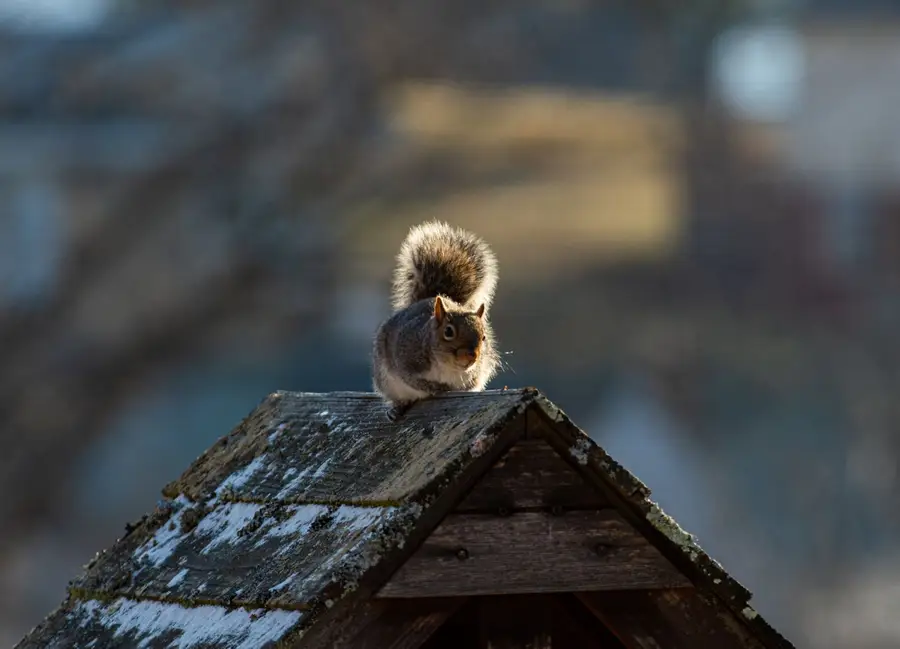
| First light and again late afternoon | Squirrel | Fast, light scratching; rolling sounds; steady gnawing |
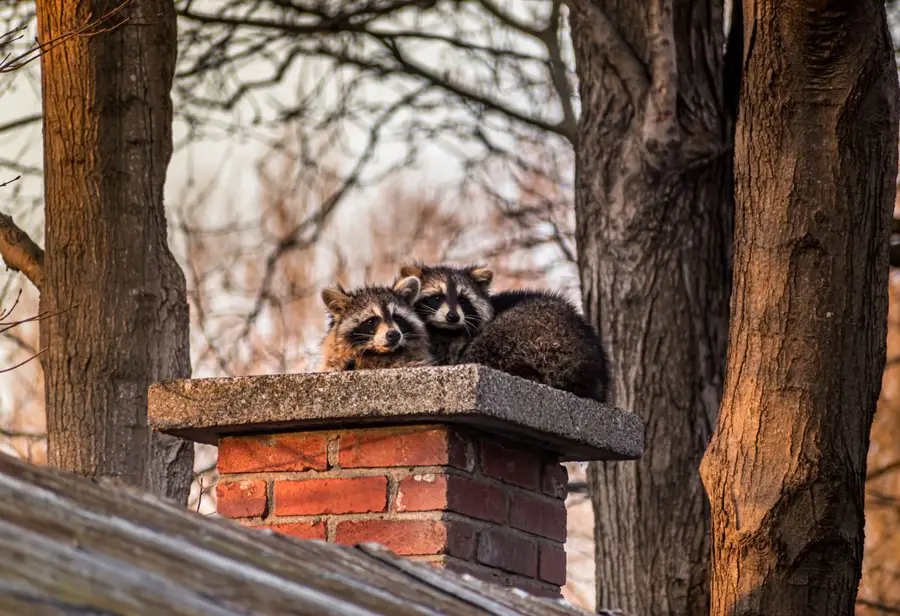
| Starting at dusk, again before dawn | Raccoon | Heavy thumping and dragging; chittering or growling; trilling if there are young |
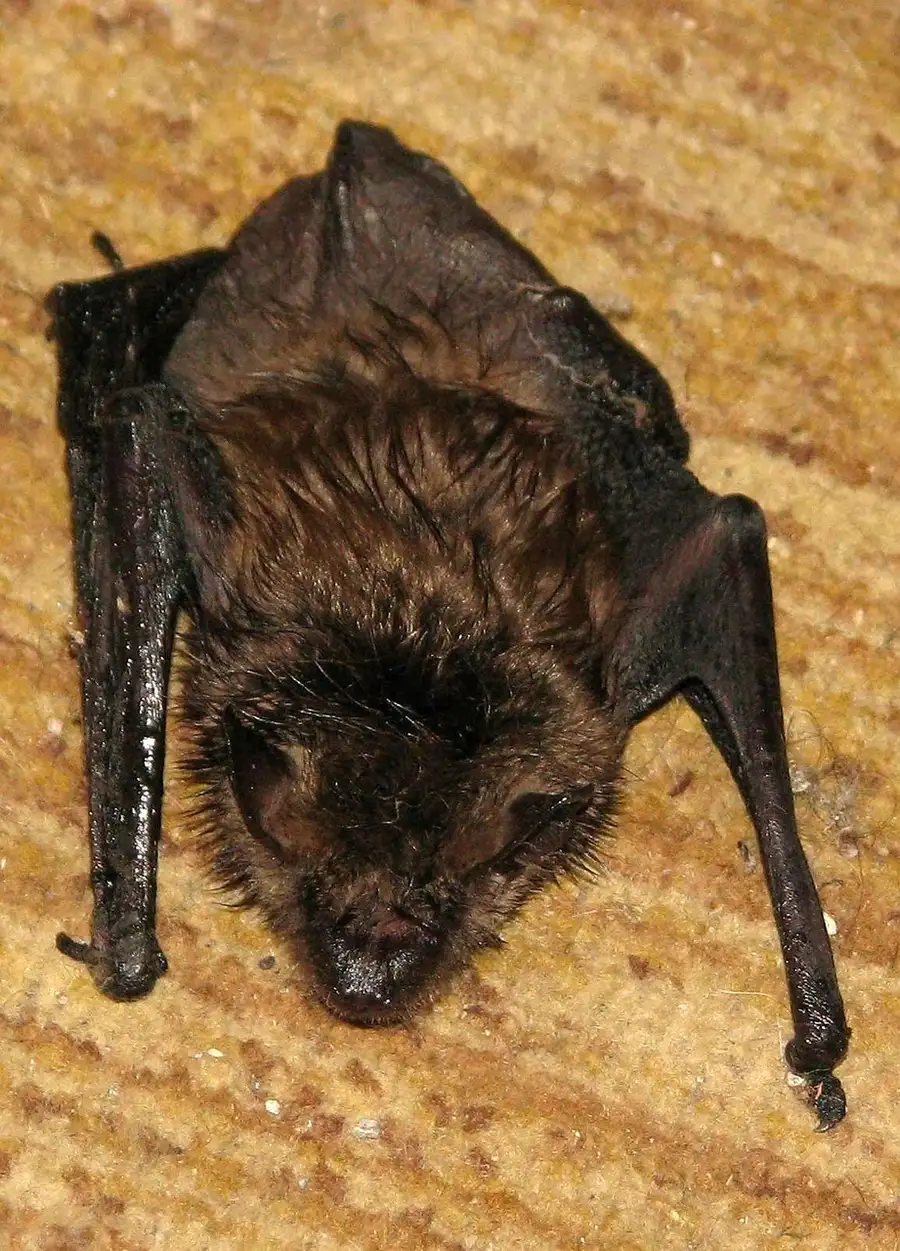
| Right at dusk, and again near dawn | Bat | Light chittering and rustling, higher-pitched and quieter than a rodent |
| Through the night, scattered | Rodent | Light, quick scurrying; scratching inside walls |
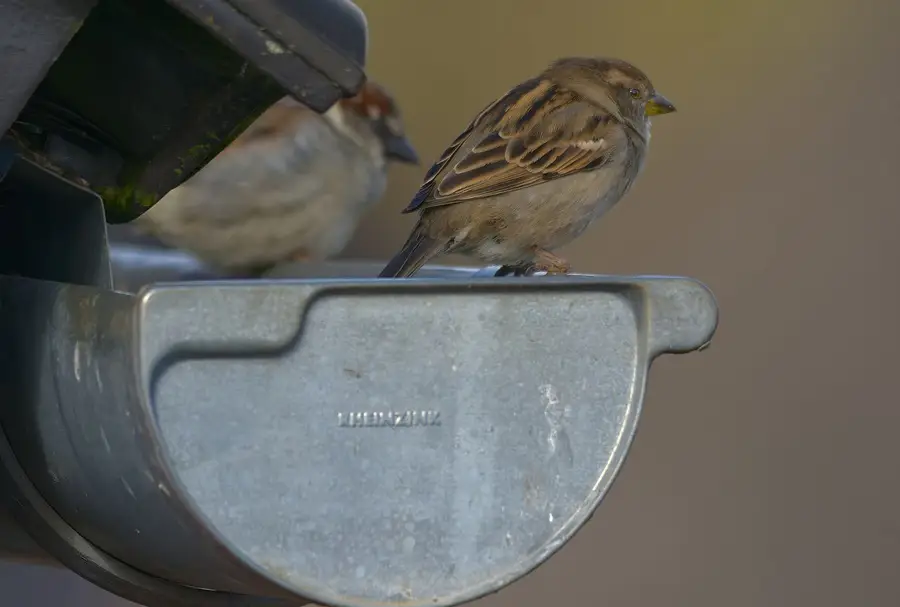
| Daytime, near a vent or soffit | Bird | Chirping, fluttering, scratching in one fixed spot |
If the timing does not narrow it, keep reading. If it does, jump straight to raccoon removal in Fort Worth, squirrel removal in Fort Worth, bat removal in Fort Worth or bird removal in Fort Worth.
Sound, in more detail
Weight is the second clue. People describe raccoon movement as sounding like a person crawling around up there, and they are not exaggerating; an adult can weigh as much as a small dog. A squirrel sounds quick and light. A rat sounds lighter still and more scattered, and is more often heard inside a wall than overhead.
Rolling is a squirrel. That distinct sound of something being pushed across the ceiling is usually a nut being moved. Nothing else in a North Texas attic does it.
Gnawing is a rodent. Squirrels, rats and mice all chew, because their incisors keep growing. A steady grinding at the same spot each day is a rodent, not a raccoon or a bat.
Vocal sounds narrow it fast. Chittering, growling or a soft trilling means a raccoon, and the trilling in particular usually means kits. Bat chittering is higher and quieter. Birds are unmistakable once you have heard them.
Absolute silence during the day, with heavy movement at night, is the raccoon signature. The reverse pattern, busy at dawn and dusk with a quiet middle, is the squirrel signature.
What a raccoon sounds like in an attic
Heavy. Thumping, dragging, and slow deliberate movement that starts around dusk, goes quiet in the small hours, and returns before dawn. Often vocal. If it sounds like someone walking up there, this is your answer.
What a squirrel sounds like in an attic
Fast and light. Scratching, scrabbling and rolling at first light and again in the late afternoon, with steady gnawing at the same spot. Quiet after dark. If it wakes you at six in the morning, this is your answer.
What bats sound like in an attic
Quiet. A light chittering and rustling concentrated right at dusk and again near dawn, with almost nothing in between and no movement across the ceiling. If you have to strain to hear it, and it is strongest at sunset, this is your answer.
What rats and mice sound like in an attic
Light, quick and scattered, at any hour of the night, and often inside a wall rather than overhead, with gnawing. That is a rodent job rather than a wildlife job, and identifying it correctly is the first step either way.
What it leaves behind
Sound narrows it. Sign confirms it.
Droppings. Raccoons use one latrine spot repeatedly, so you find a concentration rather than a scatter. Squirrel droppings are scattered along runs. Bat droppings pile directly under the roost or the entry point and are dark and crumbly. Rodent droppings are small and follow walls.
Insulation. Raccoons flatten large areas and push material aside. Squirrels shred insulation and gather it into a nest, often against ducting. Bats do not nest, so the insulation below a roost is stained rather than rearranged.
Damage. Raccoons tear at soffits and roof edges with their hands, and the damage is visible from the ground. Squirrels leave small chewed holes with clean edges, and gnaw marks on rafters and cable sheathing. Bats leave no structural damage at all, just a greasy dark smudge at the gap they use.
Smell. Ammonia, building over weeks, points to accumulated urine or guano. A different, heavier smell that peaks and then fades over a fortnight is something that has died. If it is that, go to dead animal removal.
Stored food. Acorns or pecans in the attic are conclusive. That is a squirrel.
The dusk test, which is free and works
For bats, this beats every other diagnostic.
Twenty minutes before sunset, stand outside where you can see the whole roofline, and watch. Bats leave at dusk from a specific point, and once you have seen them do it you know both the species and the entry point, which is the two hardest questions answered in ten minutes.
It works for squirrels and raccoons too, in reverse: watch at first light for squirrels, and at dusk for a raccoon coming out. The one instruction is to watch from the ground and not from a ladder.
What season it is matters
Timing tells you something about what you are likely to find, and about how urgent it is.
Late winter into spring is when raccoons and squirrels look for a den site to raise young, which is the busiest period for new attic intrusions. If you first hear noise then, it is worth acting quickly, because a nest with young is a longer and more delicate job than a single animal.
For bats, the calendar is not just advice. Texas Parks and Wildlife states that excluding bats from buildings is discouraged from May 1 to August 15, because the young cannot yet fly and would be trapped inside if the entry point were sealed. If you have bats and it is June, that date range shapes everything about how the job runs. See bat removal in Fort Worth.
Late summer brings a second round of squirrel litters. Autumn brings animals looking for somewhere warm, which is the other seasonal spike.

Can it get into the living space?
This is the question people ask at two in the morning, and it deserves a straight answer.
Usually no. Attics are separated from living space by drywall, and most animals have no reason to come through it. But it does happen: through an open attic hatch, down a wall cavity into a soffit or a fixture, through a gap where ductwork or a flue passes, or, in the case of a bat, through a vent or a gap around a light.
The practical steps are to keep the attic hatch closed and latched, keep interior doors shut at night if you have heard movement in a wall, and get it inspected rather than waiting to find out.
What to do if you hear an animal in the attic
Do not put poison in the attic. It is the most common way people convert a noise problem into a dead-animal-in-the-wall problem, and it is indiscriminate about what it kills.
Do not seal the hole yet. Sealing an occupied space traps the animal inside. The animals come out first, then the building gets closed.
Do not go up there at night to investigate a noise. Nothing good is up there and the joists are not where you remember them.
Do write down the pattern. What time, how heavy, which room it is over, how long it has been happening. That description is genuinely the most useful thing you can hand to whoever inspects it, and it is often enough to narrow the species before anyone gets on a ladder.
Then call (571) 412-0006, or use the contact form. Whatever it turns out to be, it is covered under our wildlife removal in Fort Worth service, and a bat that has come down into a room rather than staying in the attic has its own page: a bat in the house.
Frequently Asked Questions
How do I tell what animal is in my attic at night?
Start with the timing. Heavy movement beginning at dusk is usually a raccoon. Light chittering right at dusk is more likely bats. Scattered scurrying through the night points to rodents. Squirrels are the dawn and late-afternoon animal, so night activity generally rules them out.
What to do if you hear an animal in the attic?
Note the time and the character of the sound, keep the attic hatch closed, do not use poison, and do not seal anything yet. Then get it inspected.
Can an animal in the attic get into the house?
Usually not, since drywall separates the two, but it happens through an open hatch, a wall cavity, a gap at ductwork or a flue, or a vent. Keeping the hatch latched and getting it inspected is the sensible response.
Will an animal leave the attic on its own?
Not reliably, and not before the damage is done. An attic is warmer, drier and safer than anywhere outside it, which is the whole reason it is in there.
Who to call for an animal in the attic in Fort Worth?
A wildlife control company. The City no longer traps wildlife or lends traps and points residents to search for animal rescue and removal services. Call (571) 412-0006.